
S&P, Nasdaq & Dow
The S&P 500 and Nasdaq closed at fresh records, but lighter volume, mixed breadth, and elevated Treasury yields keep focus on retail sales and the Fed.
Est. 2026 · Independent · Snapshot data, not live
US Market UpdatesAmerican equities · Federal Reserve · Economic indicators
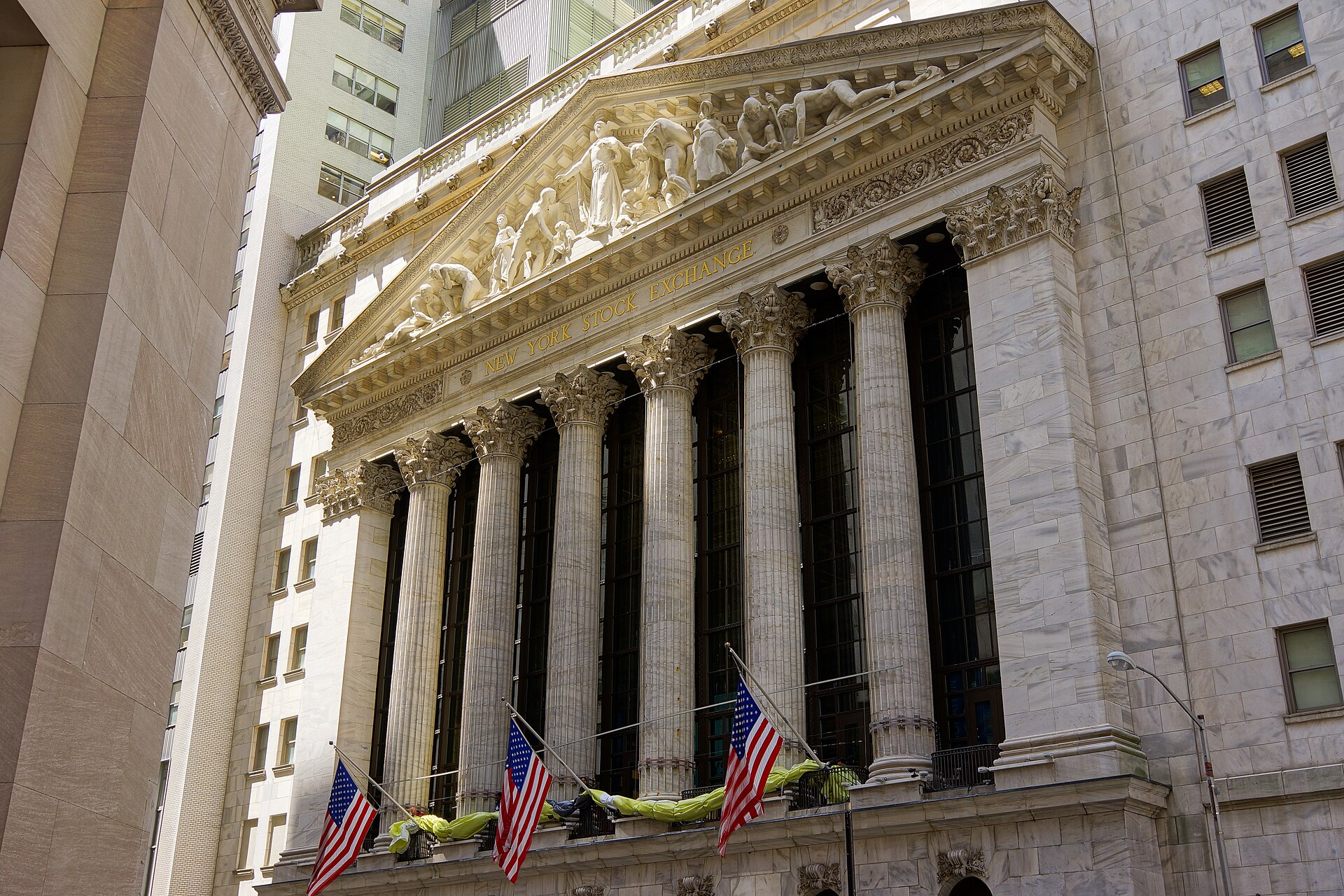
Analysis of major US equity indices — S&P 500, Nasdaq Composite, Dow Jones Industrial Average. Daily moves, index performance, and market breadth data.
Jean-Christophe BENOIST / Wikimedia Commons (CC BY 3.0)
The S&P 500 and Nasdaq closed at fresh records, but lighter volume, mixed breadth, and elevated Treasury yields keep focus on retail sales and the Fed.

After a 1,325-point Dow surge and a 16% oil drop, U.S. markets head into CPI with Treasury yields, sector rotation, and Fed guidance driving risk.

US stocks surged on April 8 as ceasefire headlines sent WTI down more than 16%, driving a broad risk-on rally and easing near-term inflation pressure.

S&P 500 +3.4% and Nasdaq +4.4% for the week — the best gains since November — even as WTI crude surged 11% to $111.54 on Trump's threat to hit Iran "extremely hard."

The S&P 500 surged 2.91% and the Dow added 1,125 points on March 31 — the best session since May 2025 — as Iran exit signals from the White House ignited a broad relief rally to end Q1.

The Dow and Nasdaq crossed into official correction territory Friday as Q2 opened. Trump's threat to seize Iran's Kharg Island sent Brent crude above $115 — on track for a record monthly surge.

All three major indexes fell Friday — S&P −1.67% to 6,368, Dow −793 points, Nasdaq −2.15% — as gold climbed 2.59% to $4,489.70 and Brent crude held above $114 on Iran tensions.
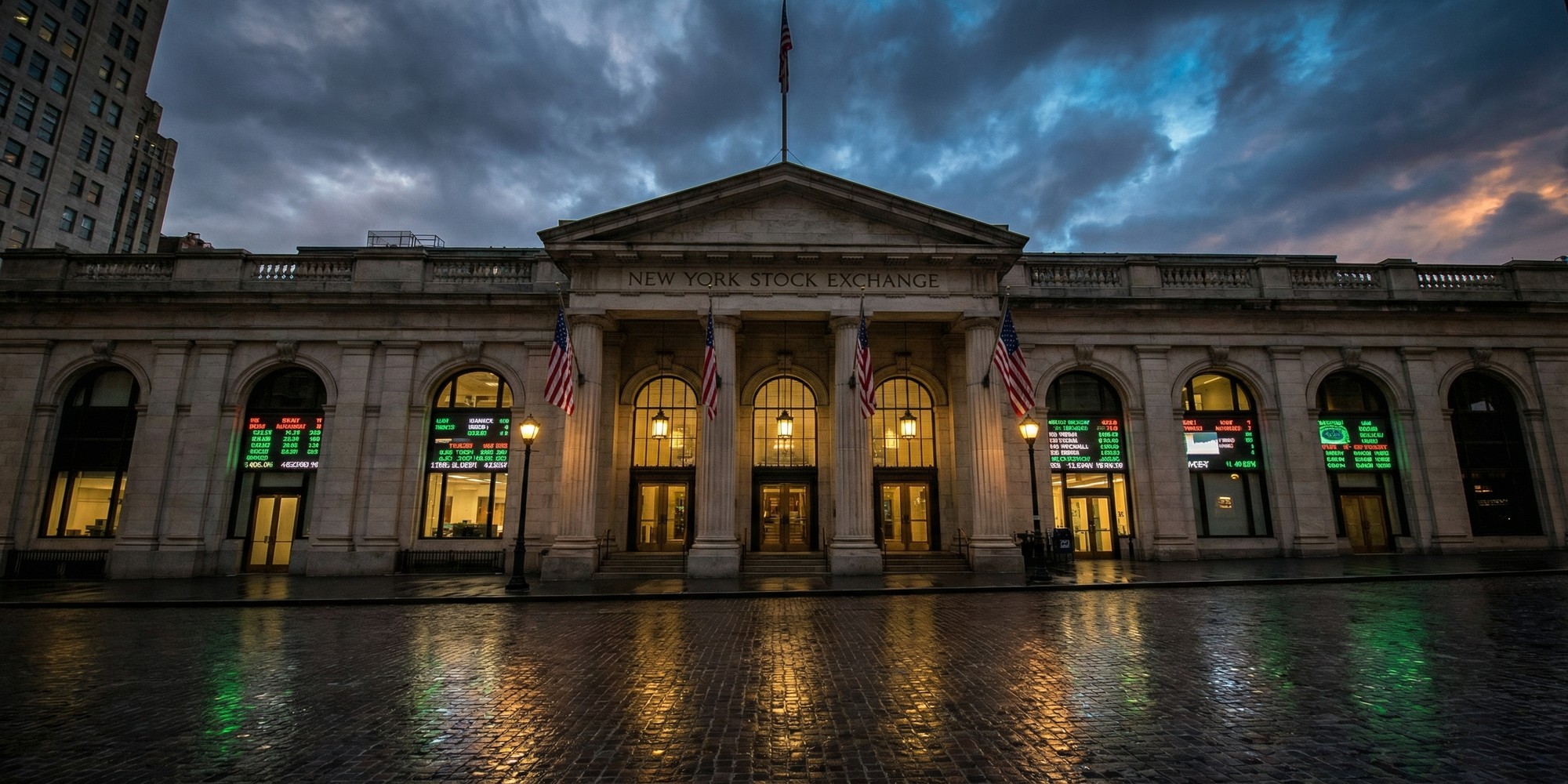
Nikkei +2.87% on Iran ceasefire framework hopes, but S&P 500 fell 0.37% as Brent rebounded 6% to $98.18 — reinstating the stagflation premium Wall Street had briefly priced out.
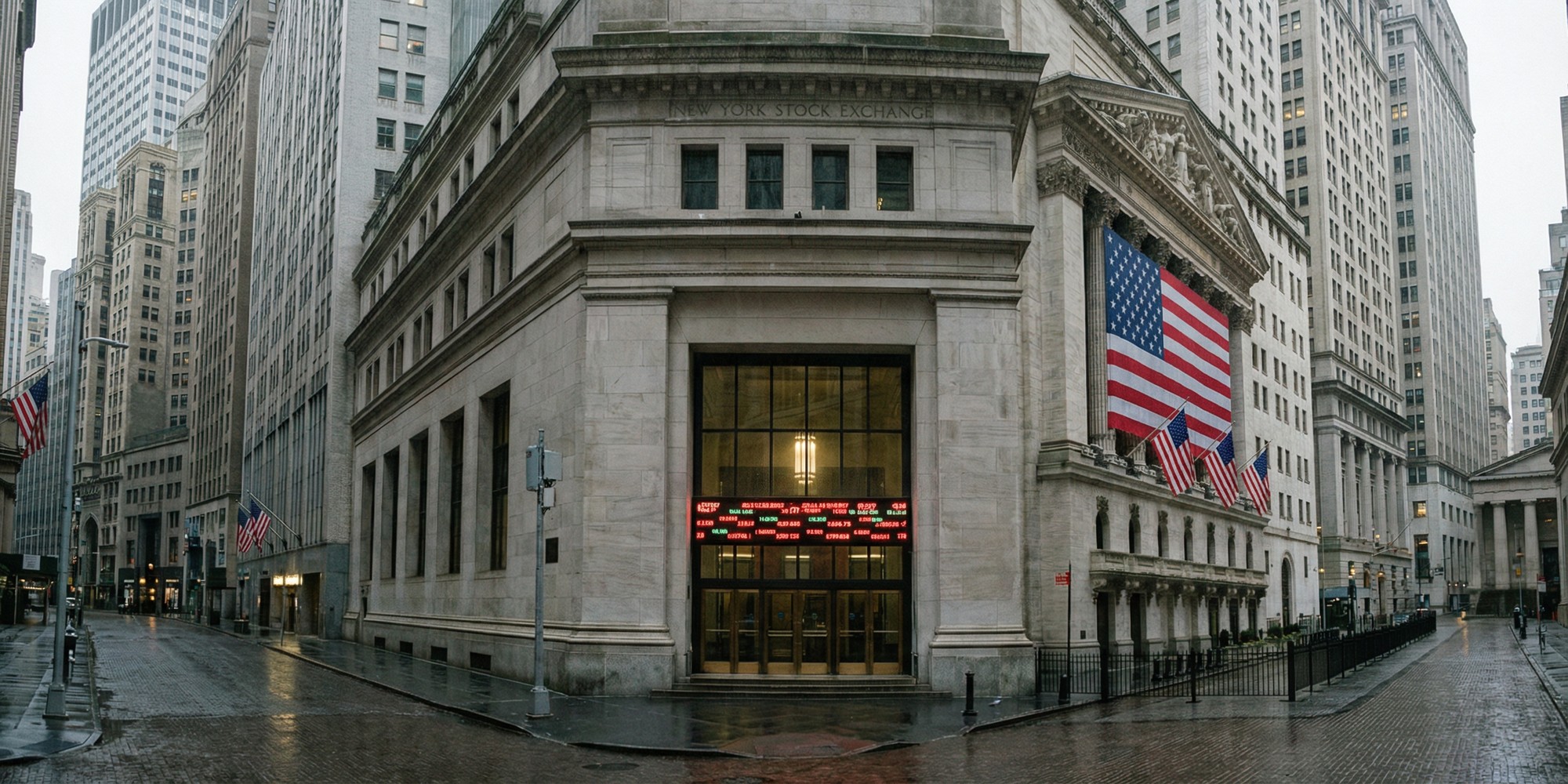
US equity futures fell over 1% as Trump's Iran ultimatum entered its final hours. Gold plunged 10%, Brent topped $113, and Wall Street tracked toward a fifth straight weekly loss.

U.S. equities closed out a fourth consecutive losing week — 2026's longest streak — as the Iran war kept oil near $97 and the Fed's hawkish hold left markets pricing just one 2026 rate cut.

S&P 500 breached its 200-day moving average for the first time since May 2025. Dow settled at a new 2026 closing low of 46,021 as oil volatility and JPMorgan's forecast cut drove broad selling.
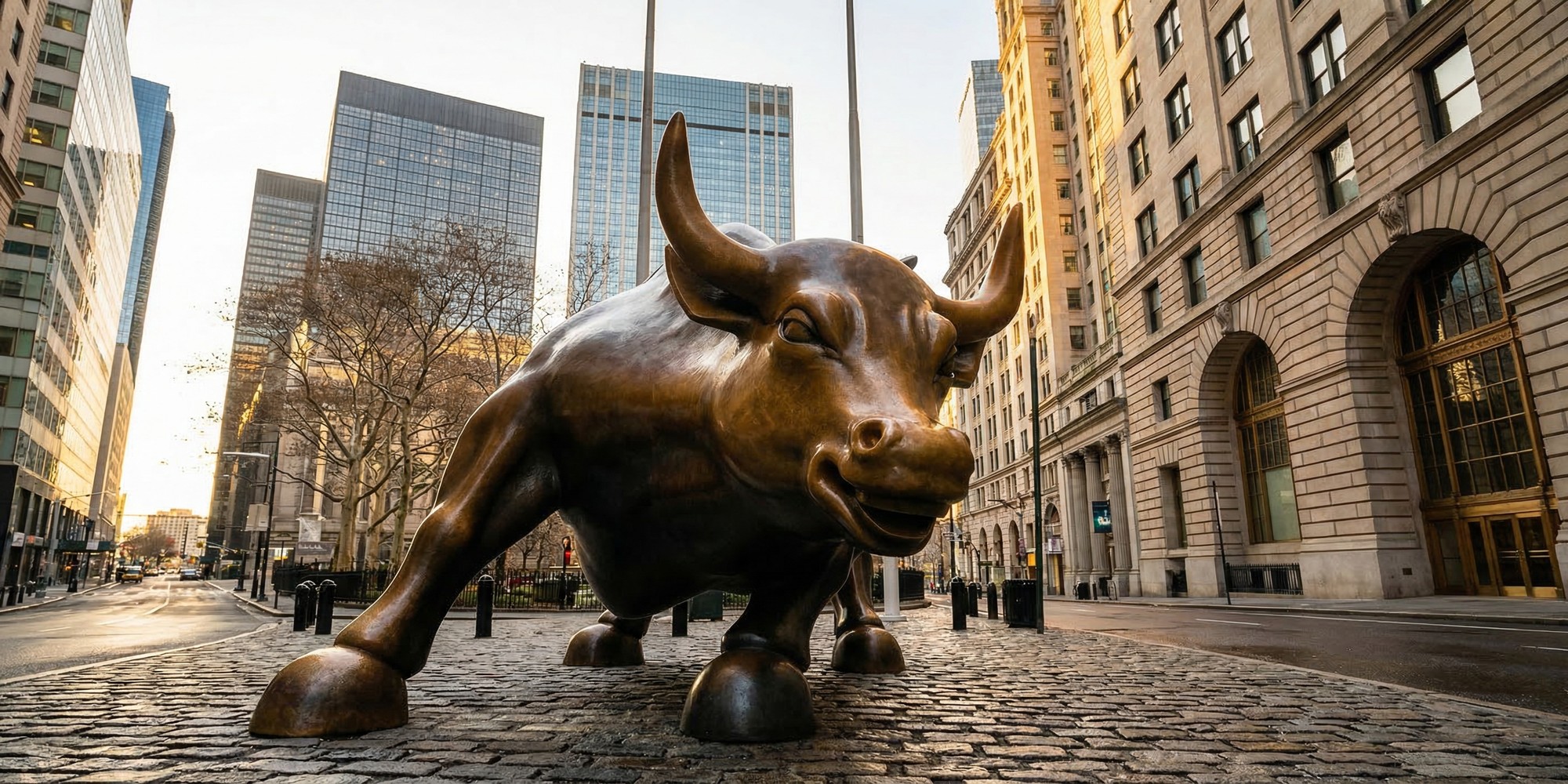
All 11 S&P 500 sectors advanced for the first time since Iran's Hormuz closure. S&P 500 gained 0.66% to 6,760, Dow +0.91%, 10-year yield at 4.20%, ahead of FOMC.

S&P 500 at 6,632 enters its most pivotal week: FOMC rate decision Wednesday, Nvidia GTC keynote Monday, PPI data, and Brent above $100 on Iran war uncertainty.

IEA's record 172M-barrel emergency release failed to keep Brent below $100; S&P 500 closed at 6,632.19 and consumer confidence fell to a 2026 low of 55.5.

S&P 500 fell 0.61% to 6,632.19 as all three major indexes posted a third straight weekly loss, with WTI crude near $98, Q4 GDP revised to 0.7%, and the FOMC meeting next week.

S&P 500 fell to 6,672.62 and the Dow shed 739 points as Brent crude settled at $100.46 and the 10-year Treasury yield climbed to 4.24%, marking the third consecutive losing session.

Dow sheds 289 points as Iran war tensions drive WTI crude to $87.25. February CPI met forecasts at 2.4% while Oracle surged 9% on earnings.

S&P 500 fell 0.2% and Dow closed at 47,707 as contradictory Iran ceasefire signals drove WTI crude from $119 to $87 and gold climbed to $5,200/oz.

Markets staged a 660-point intraday swing as Trump called the conflict "very complete," erasing losses and sending the S&P 500 up 0.83% to 6,795.95.

Brent crude topped $100/barrel for the first time since 2022. Dow futures plunged 900 points and the Nikkei fell 6.1% as the Iran conflict entered its tenth day.

The Dow posted a 3% weekly loss — its worst since April 2025 — as WTI crude surged 35% to $90/bbl on Iran war escalation and February payrolls shed 92,000 jobs.